
Japanese pet treat jars, a burgeoning trend, are more than just containers. They embody a meticulous aesthetic, blending functional practicality with artistic flair. Influenced by Japanese design principles, these jars showcase a unique harmony of form and function, appealing to pet owners who appreciate the aesthetic appeal of their pets’ accessories.
This exploration delves into the nuanced design elements, from the specific color palettes and patterns to the thoughtful materials and packaging choices. It examines the cultural context, exploring the significance of pet ownership in Japan and how this aesthetic reflects broader trends in pet products.
Defining the Aesthetic
The “Japanese pet treat jar aesthetic” is a visually appealing and culturally rich approach to packaging and presenting pet treats. It’s characterized by a meticulous attention to detail, drawing inspiration from traditional Japanese design principles and incorporating contemporary elements. This aesthetic is gaining traction as pet owners seek visually appealing and emotionally engaging products for their furry friends.This aesthetic goes beyond mere practicality, aiming to elevate the experience of providing treats to pets.
It emphasizes the connection between humans and animals, highlighting the joy and care involved in sharing these small moments. The carefully curated visual language fosters a sense of calm, tranquility, and sophistication, often evoking a nostalgic or serene atmosphere.
Visual Elements
This aesthetic is rich in visual elements, reflecting the principles of Japanese aesthetics like 侘び寂び (wabi-sabi), which embraces imperfection and the beauty of natural elements. Key visual elements include minimalist shapes, natural materials, and a harmonious color palette.
Cultural Influences
Japanese aesthetics, with their emphasis on natural forms, subtle colors, and intricate patterns, significantly influence the pet treat jar aesthetic. Traditional Japanese art forms like calligraphy, woodblock prints, and ceramics often serve as inspiration for the designs. The concept of kawaii (cute) is also prevalent, contributing to the emphasis on playful and endearing designs.
Colors, Patterns, and Textures
The color palette frequently incorporates earthy tones, pastels, and muted shades. Colors like sage green, soft pinks, creams, and deep blues are common. Geometric patterns, floral motifs, and subtle calligraphy are frequently employed. Textures often include matte finishes, textured ceramics, or natural wood grain, lending a sense of authenticity and elegance. The use of natural materials like bamboo or wood for jar components is also notable.
Mood and Feeling
The overall mood evoked by this aesthetic is one of serenity, warmth, and sophistication. The delicate colors, intricate patterns, and natural materials create a calming and tranquil atmosphere, perfect for a mindful treat-giving experience. The aesthetic often conveys a sense of appreciation for the bond between pet and owner.
Color Palettes
| Palette Name | Primary Colors | Secondary Colors | Mood |
|---|---|---|---|
| Tranquil Forest | Sage Green, Deep Teal | Cream, Light Gray | Serene, Peaceful |
| Sakura Bloom | Light Pink, Peach | Cream, Dusty Rose | Playful, Delicate |
| Earthy Harmony | Muted Brown, Ochre | Cream, Beige | Warm, Natural |
| Midnight Breeze | Deep Blue, Gray | White, Light Gray | Elegant, Sophisticated |
Product Design Considerations
Japanese pet treat jars, imbued with a specific aesthetic, present a nuanced interplay of form and function. The design choices extend beyond simple utility, aiming to create a visually appealing and memorable experience for pet owners. This meticulous attention to detail elevates the jar from a mere container to a decorative element within the home.The form and materials employed for these jars are carefully selected to resonate with the established aesthetic, often incorporating traditional Japanese design principles.
This attention to detail contributes to the jar’s overall appeal, making it more than just a functional item.
Common Shapes and Sizes
The most prevalent shapes in Japanese pet treat jars often echo traditional Japanese aesthetics. Rounded, symmetrical forms are common, frequently incorporating elements of minimalism. These shapes contribute to a sense of balance and harmony. Sizes are typically designed for the appropriate amount of treats for a small to medium-sized pet, reflecting a consideration for the needs of the animal.
Miniature jars, perfect for smaller treats, are also popular, appealing to pet owners who want a dedicated storage space for special snacks.
Typical Materials Used
The materials employed in the production of these jars are chosen for both their aesthetic qualities and their durability. Ceramics are frequently utilized, known for their smooth surfaces and inherent elegance. Glass, often clear or with subtle, decorative patterns, is another popular choice, offering transparency to showcase the treats and maintaining a clean, modern aesthetic. Wooden jars, featuring intricate carvings or natural wood tones, add a warm, rustic touch.
Design Elements Enhancing Aesthetic Appeal
Several design elements contribute to the visual appeal of these jars. Hand-painted details, often featuring traditional Japanese motifs or minimalist patterns, are common. Subtle color palettes, drawing inspiration from nature or Japanese aesthetics, further enhance the overall look. The use of natural elements like bamboo lids or decorative elements made from natural materials can further tie into the overall aesthetic.
Examples of Unique or Innovative Jar Designs
Innovative designs often incorporate traditional Japanese techniques, such as intricate lacquer work. Some jars might feature subtle embossing of Japanese calligraphy or symbols. Others might have unique closures, such as a sliding wooden lid, adding a functional element to the decorative design.
Comparison of Different Designs
The choice between ceramic, glass, and wooden jars hinges on the desired aesthetic. Ceramic jars often offer a sophisticated, timeless quality, while glass jars emphasize transparency and modern appeal. Wooden jars create a warm, natural feel. The aesthetic appeal varies based on the specific design elements, such as the use of colors, patterns, and embellishments.
Table of Jar Materials
| Material | Durability | Aesthetics | Pros | Cons |
|---|---|---|---|---|
| Ceramic | High | Sophisticated, Elegant | Resistant to breakage, easy to clean | Can be heavy, may crack with extreme temperature changes |
| Glass | Moderate | Modern, Transparent | Showcases treats, easy to clean | Prone to breakage, potentially less durable than ceramic |
| Wood | Moderate | Natural, Rustic | Warm, visually appealing | Susceptible to moisture damage, more prone to scratching |
Visual Representation and Imagery
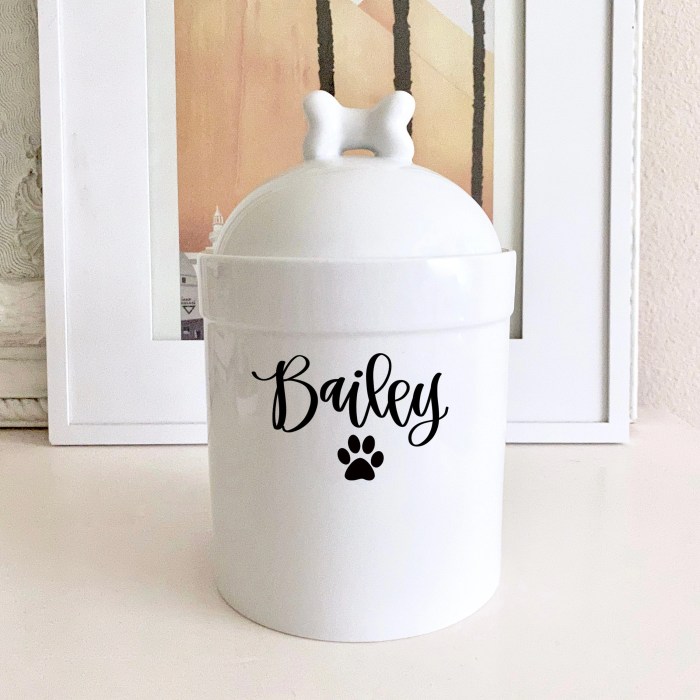
The visual aesthetic of Japanese pet treat jars hinges on evoking a sense of warmth, natural beauty, and playful charm. Successful designs tap into consumer desires for a visually appealing product that communicates quality and a connection to nature. This is achieved through a deliberate selection of visual elements, photographic styles, and the strategic use of lighting and background.
Visual Elements Associated with the Aesthetic
Japanese pet treat jars often feature a range of visual elements that contribute to their appeal. These elements are carefully selected to evoke specific emotions and associations.
- Plants: Delicate flowers, lush greenery, and vibrant foliage are frequently incorporated. These elements create a natural and calming atmosphere, associating the treats with a healthy, natural lifestyle. Examples include cherry blossoms, bamboo, and various flowering plants.
- Animals: Adorable depictions of pets, such as cats, dogs, rabbits, or even more exotic animals, are frequently seen. These images connect with pet owners’ emotional attachment to their animals, fostering a sense of joy and playfulness.
- Patterns: Traditional Japanese patterns like “wabi-sabi” (侘び寂び), featuring asymmetry and imperfection, are sometimes employed to convey a sense of tranquility and appreciation for the natural world. Other patterns like floral motifs, polka dots, or stripes also add visual interest.
Impact of Visual Elements on the Aesthetic
The careful selection and arrangement of these visual elements contribute to the overall aesthetic. By incorporating elements that evoke feelings of natural beauty, joy, and connection with nature, the visual representation fosters a desire for the treats.
- Nature-inspired imagery creates a serene and healthy image, appealing to consumers seeking natural ingredients and wholesome treats for their pets.
- The inclusion of animal imagery directly connects with pet owners’ emotional investment in their animals, emphasizing the products’ appeal to the relationship between owner and pet.
- Patterns enhance visual appeal and create a unique identity for the product, adding a distinctive touch to the packaging.
Photography and Illustration Styles
The choice of photographic or illustrative style significantly impacts the perceived quality and personality of the pet treat jars.
- Photography often features a soft, diffused lighting that highlights the jars and their contents without harsh shadows. High-resolution images with sharp focus on the jars and their contents create a sense of clarity and detail. The use of natural light sources, such as soft daylight, further enhances the natural beauty.
- Illustrations frequently employ a charming and playful style, capturing the personality of the animals and plants with expressive details. Illustrations can be highly stylized and intricate, creating a visually engaging experience. The style might range from whimsical and cartoonish to realistic, depending on the brand’s desired image.
Lighting and Composition
Lighting and composition are essential elements in conveying the aesthetic and highlighting the product.
- Soft, diffused lighting is often used to create a warm and inviting atmosphere. It avoids harsh shadows and highlights the details of the jars and their contents. Carefully placed light sources ensure that the products are showcased effectively.
- The composition of the image is crucial in drawing the viewer’s attention to the pet treat jars. A balanced composition with clear focal points ensures that the products are the central focus of the image. Framing and perspective choices further emphasize the aesthetic appeal of the jars.
Backgrounds and Their Roles
The backgrounds used in the images play a supporting role, complementing the aesthetic and not distracting from the jars.
- Soft backgrounds like muted pastels or natural textures, such as woven patterns, contribute to a serene and harmonious atmosphere. The backgrounds enhance the perception of quality and craftsmanship.
- Backgrounds featuring delicate floral or plant elements enhance the natural theme and connect with the overall aesthetic. These backgrounds are typically neutral in color and tone to ensure the focus remains on the jars and their contents.
Comparison of Photographic Styles
The following table compares different photographic styles for showcasing pet treat jars, emphasizing the impact of each style on the perceived aesthetic.
| Photographic Style | Description | Aesthetic Impact |
|---|---|---|
| Soft Focus | Blurred background, focus on the jar | Creates a sense of serenity and warmth, emphasizes the product |
| High-Key Lighting | Bright, airy lighting, minimal shadows | Highlights the product’s cleanliness and purity, suitable for showcasing natural ingredients |
| Low-Key Lighting | Dark, dramatic lighting, strong shadows | Creates a sense of mystery and sophistication, suitable for premium products |
| Natural Lighting | Utilizing natural light sources | Connects with nature, evokes a sense of authenticity and freshness |
Packaging and Presentation
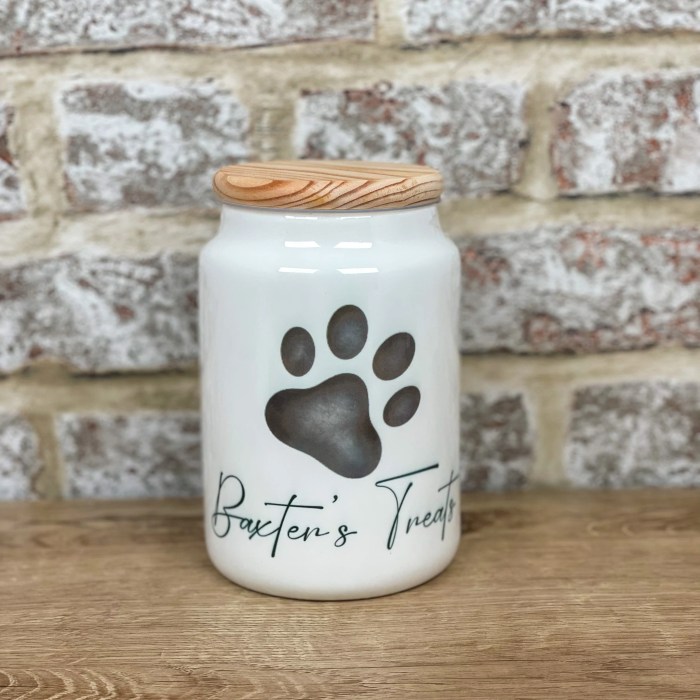
The visual presentation of Japanese pet treats plays a crucial role in driving sales and reinforcing the brand’s image. Effective packaging not only protects the treats but also communicates the brand’s values and aesthetic. A well-designed package can evoke a sense of quality, craftsmanship, and care, ultimately influencing consumer perception and purchase decisions.
Packaging Materials and Their Aesthetic Impact
The choice of packaging material significantly affects the overall aesthetic. Different materials evoke different feelings and associations. Glass, for example, conveys a sense of transparency and sophistication, allowing customers to see the treats inside. Metal tins offer a more robust and durable option, potentially suggesting a premium product. Cardboard, while cost-effective, can be creatively designed to achieve a sophisticated look.
The selection of materials should be aligned with the desired brand image and target audience.
| Packaging Material | Aesthetic Impact | Examples |
|---|---|---|
| Glass | Elegant, transparent, high-quality, sophisticated | Clear glass jars with intricate lids, or frosted glass jars with labels |
| Metal (tin/foil) | Robust, durable, premium, sometimes nostalgic | Tin cans with embossed designs, or foil-wrapped packages with metallic finishes |
| Cardboard | Cost-effective, customizable, eco-friendly (if sustainable options are used), modern | Cardboard boxes with vibrant prints, or minimalist designs with textured surfaces |
| Paper | Eco-conscious, natural, delicate, often tied to specific Japanese aesthetics | Handcrafted paper boxes with natural dyes, or eco-friendly packaging with minimalist prints |
Examples of Packaging Enhancing Aesthetic Appeal
Japanese packaging often incorporates intricate designs, including traditional motifs like cherry blossoms, bamboo, or stylized animals. These elements connect the product to Japanese culture and create a unique visual identity. Using high-quality printing techniques, like embossing or debossing, adds a touch of luxury and sophistication. The use of natural colors and textures, like muted tones or the subtle variations in wood grain, creates a harmonious and appealing visual experience.
Consider the use of subtle gradients and layered patterns, adding depth and intrigue to the package.
Presentation Styles for Displaying the Jars
The presentation of the treat jars is equally important. Displaying them in a well-organized manner can significantly enhance their appeal. A clean, minimalist display is often preferred, allowing the jars to stand out. Grouping jars by color or size creates visual interest. Using wooden trays or decorative boxes for presentation further enhances the aesthetic appeal, aligning with the Japanese aesthetic focus on harmony and balance.
A simple yet elegant presentation strategy, utilizing ambient lighting, can elevate the entire experience.
Decorative Elements in Packaging
The use of decorative elements is vital for creating an attractive and culturally resonant packaging design. This includes traditional Japanese motifs, natural elements like bamboo or cherry blossoms, or minimalist designs emphasizing clean lines. Intricate patterns, subtle textures, or decorative seals can elevate the aesthetic appeal. Careful selection of fonts and colors is crucial to maintain consistency with the brand’s overall aesthetic.
Consider the use of natural materials like washi paper or wood to reinforce the product’s connection to Japanese culture and craftsmanship.
Impact of Branding on Overall Aesthetic
Branding plays a critical role in shaping the overall aesthetic of the treat jars. Consistent use of logos, colors, and fonts across all packaging materials reinforces the brand’s identity. A strong brand identity ensures recognition and fosters customer loyalty. The branding should reflect the values and target audience of the product. Consider incorporating a color palette reflective of Japanese aesthetics and incorporating subtle cues that evoke feelings of comfort, tradition, and quality.
Methods of Arranging and Showcasing Jars
The arrangement of the jars should complement their aesthetic appeal. A visually appealing display can enhance the customer experience. Consider displaying the jars in a way that emphasizes their craftsmanship and the quality of the treats inside. This could include using tiered displays, arranging them by color or size, or showcasing them on wooden shelves or trays.
Utilizing soft lighting can create a warm and inviting atmosphere, highlighting the beauty of the jars.
Cultural and Social Context
Japanese pet ownership is deeply ingrained in the nation’s cultural fabric, reflecting a strong sense of companionship and responsibility. The bond between humans and animals extends beyond mere practicality, intertwining with philosophical concepts of harmony and respect for all living things. This translates into a market segment that values not only the functional aspects of pet products, but also their aesthetic appeal.The pervasive influence of aesthetics in Japanese culture plays a crucial role in shaping consumer preferences for pet products.
From meticulously crafted tea ceremonies to the minimalist elegance of modern design, aesthetics permeate all aspects of Japanese life. Applying this sensibility to pet treats reflects a broader societal inclination towards meticulous detail and thoughtful design.
Cultural Significance of Pet Ownership in Japan
The cultural significance of pet ownership in Japan extends beyond simple companionship. A strong emphasis on responsible pet care is prevalent, rooted in the Japanese concept of “omotenashi,” the art of hospitality and gracious service. This translates into a meticulous approach to providing for pets’ needs, extending beyond basic nutrition to include enriching their environments and fostering a harmonious living space.
This reverence for animals is often expressed through meticulously crafted accessories and a keen appreciation for aesthetics. This deep-seated respect contributes to the significant market for premium pet products.
Role of Aesthetics in Japanese Culture
Japanese aesthetics, often referred to as “wabi-sabi,” embrace imperfection and the beauty of natural materials. This aesthetic principle translates into a preference for products that showcase natural beauty and understated elegance, rather than ostentatious displays. This is reflected in the preference for simple, yet refined designs, with a focus on functionality and understated elegance. The emphasis on natural materials and meticulous craftsmanship aligns with the broader aesthetic trends in Japan.
Relationship to Broader Trends in Pet Products
The demand for premium pet treats and accessories in Japan aligns with global trends toward higher-quality pet products. However, the Japanese market often incorporates unique design elements, showcasing the country’s renowned craftsmanship and commitment to aesthetics. Japanese pet products frequently incorporate traditional designs or incorporate elements of Japanese culture into their presentation, making them more than just functional items.
This niche focus on design and craftsmanship differentiates the Japanese pet products market.
Potential Marketing Strategies
Leveraging the aesthetic sensibility of the Japanese market requires a targeted marketing approach. This involves highlighting the meticulous craftsmanship, natural materials, and unique designs of the products. Collaboration with Japanese influencers and artists can help to build trust and authenticity. Emphasis on storytelling and showcasing the meticulous processes behind product creation can resonate with consumers.
Social Trends Impacting This Aesthetic
The rise of social media and the growing importance of pet influencers are significantly impacting the pet product market in Japan. Social media platforms enable the showcasing of products’ aesthetics and contribute to the trend of carefully curated pet lifestyles. Pet owners are increasingly sharing their pets’ lives online, and high-quality pet products are vital to projecting a positive image.
History and Evolution of Pet Treat Jar Aesthetics in Japan
| Era | Aesthetic Characteristics | Notable Examples |
|---|---|---|
| Pre-War Era | Simple, functional containers reflecting practical needs. | Plain ceramic jars, wooden boxes. |
| Post-War Era (1950s-1980s) | Increasing focus on practicality and affordability. | Plastic jars with basic designs. |
| 1990s-2000s | Growing interest in pet aesthetics and premium quality. | Emergence of decorative jars with subtle Japanese designs. |
| 2010s-Present | Strong emphasis on meticulous design, natural materials, and high-quality craftsmanship. | Artisan-crafted jars, eco-friendly materials, emphasis on visual appeal. |
The evolution of pet treat jar aesthetics reflects the broader cultural shifts in Japan. The increasing emphasis on aesthetics and quality demonstrates the growing importance of pets in Japanese society.
Related Aesthetics and Trends
The Japanese pet treat jar aesthetic, with its emphasis on artisanal craftsmanship, minimalist design, and evocative imagery, finds resonance in several contemporary trends. This aesthetic taps into a broader desire for curated experiences and a connection to nature and tradition, evident in the burgeoning interest in Japanese aesthetics like Wabi-Sabi and the broader global appeal of Japanese pop culture.
This analysis examines overlapping characteristics, color palettes, and inspiration sources to contextualize the trend’s trajectory.The aesthetic’s success hinges on its ability to bridge the gap between practicality and artistry. It blends functional utility—the jar for storing treats—with a visually appealing design, creating a product that is both desirable and useful. This combination is a common thread in other successful design trends, demonstrating the universal appeal of well-crafted, visually engaging products.
Identifying Overlapping Aesthetics
Several aesthetics share common ground with the Japanese pet treat jar aesthetic, particularly those emphasizing handcrafted quality, natural elements, and a sense of nostalgia. These include the “cottagecore” aesthetic, which often features rustic, natural imagery and pastel color palettes; “wabi-sabi,” a Japanese aesthetic that embraces imperfection and natural beauty; and “minimalism,” known for its clean lines and neutral tones.
Color Palettes and Patterns
The Japanese pet treat jar aesthetic often incorporates a muted color palette, drawing inspiration from natural tones like earthy browns, warm creams, and muted greens. This aligns with the broader trend toward natural and calming color palettes in product design, reflecting a desire for serene and comforting environments. The use of delicate floral or nature-inspired patterns, such as subtle cherry blossom motifs or bamboo leaves, further reinforces this connection to nature.
Contrasting elements, like black accents or pops of vibrant color, add visual interest without disrupting the overall harmony. This approach is also seen in contemporary packaging design trends, aiming for a balance between sophisticated simplicity and visual appeal.
Inspiration Sources
The aesthetic draws heavily from Japanese design traditions, including traditional pottery techniques, the concept of Wabi-Sabi, and the use of natural materials in craft. The use of natural materials, like ceramic or wood, reflects a growing appreciation for sustainable and eco-conscious products. Furthermore, the appeal of Japanese pop culture, including anime and manga, contributes to the visual language of the aesthetic, influencing the selection of imagery and patterns.
Potential Future Trends
The Japanese pet treat jar aesthetic is likely to evolve by incorporating emerging trends. The integration of personalized elements, such as custom-engraved jars or labels with pet names, could further enhance the aesthetic’s appeal. The emphasis on sustainable practices, such as using recycled or eco-friendly materials, is expected to become even more pronounced in future iterations of the aesthetic.
As consumer interest in eco-friendly products grows, companies will increasingly adopt environmentally responsible materials and production methods.
Comparison Table
| Aesthetic | Similarities | Differences |
|---|---|---|
| Japanese Pet Treat Jar | Emphasizes natural elements, handcrafted quality, and muted color palettes. | Specific to pet treats, featuring functional design alongside aesthetics. |
| Cottagecore | Focuses on natural imagery and pastel colors, often incorporating rustic elements. | Less emphasis on functional design, often more romanticized and less practical. |
| Wabi-Sabi | Embraces imperfections and natural beauty, often using muted colors. | More focused on the acceptance of imperfections; less directly tied to a specific product type. |
| Minimalism | Emphasizes clean lines, neutral tones, and simplicity. | Can sometimes lack the handcrafted detail and natural elements found in the Japanese aesthetic. |
Materials and Craftsmanship
The selection of materials and the level of craftsmanship directly impact the perceived value and aesthetic appeal of Japanese pet treat jars. High-quality materials and intricate techniques evoke a sense of tradition and artistry, resonating with consumers seeking premium products. This translates into a stronger brand identity and a more premium price point.The artisan-driven approach, focusing on both form and function, elevates the jar from a simple container to a collectible piece, enhancing the overall customer experience.
This attention to detail underscores the brand’s commitment to quality and creates a lasting impression.
Common Materials Used
Japanese aesthetics often favor natural and sustainable materials. Ceramic, glass, and wood are frequently employed in crafting these jars, each offering distinct visual and tactile qualities. Porcelain, with its smooth surface and delicate texture, can add an elegant touch. The use of natural wood, such as bamboo or cherry, brings warmth and a connection to nature. Metal accents, particularly copper or brass, can add a touch of sophistication and a contrasting element.
These materials provide diverse visual appeals, from the rustic charm of wood to the polished elegance of ceramic.
Craftsmanship and Artisanal Techniques
High-quality pet treat jars often involve intricate hand-painting, intricate enamel work, or elaborate wood carving. These techniques add visual depth and elevate the piece beyond a mere container. Artisanal techniques, like traditional Japanese lacquerware, showcase meticulous craftsmanship and a commitment to detail. The application of intricate patterns or designs, inspired by traditional Japanese motifs, further enhances the aesthetic appeal.
Incorporating Unique Craftsmanship
Unique craftsmanship can be incorporated by collaborating with local artisans. This approach allows for the creation of one-of-a-kind pieces, fostering a sense of exclusivity and promoting a connection to the region’s heritage. The partnership between the brand and artisan creates a narrative around the product, adding value and emotional appeal. Employing techniques like hand-blown glass or hand-painted ceramic can elevate the design’s visual appeal and differentiate the brand.
Aesthetic Appeal of Different Crafting Methods
The aesthetic appeal of different crafting methods varies significantly. Hand-painted ceramic jars offer a personalized touch, while hand-blown glass creates a delicate and ethereal feel. Wood carvings, with their rustic and natural charm, bring a touch of warmth. Each technique offers a unique aesthetic, allowing the brand to tailor the design to different target markets and preferences.
Table: Materials and Visual Impact
| Material | Visual Impact |
|---|---|
| Ceramic | Smooth, polished, elegant, often with intricate detailing |
| Glass | Translucent, delicate, ethereal, can highlight the contents |
| Wood (e.g., Bamboo, Cherry) | Rustic, natural, warm, earthy, often used for lids or accents |
| Metal (e.g., Copper, Brass) | Sophisticated, contrasting, adds a touch of luxury |
| Porcelain | Delicate, smooth, refined, often used for intricate details |
Potential Applications
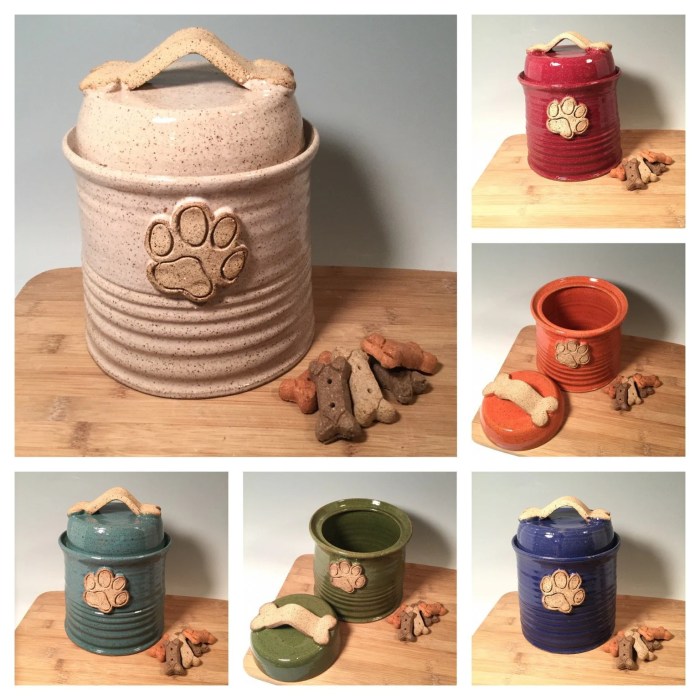
The meticulously crafted Japanese pet treat jar aesthetic, with its emphasis on delicate craftsmanship and cultural nuances, offers a compelling framework for expansion into diverse product categories. This aesthetic transcends the confines of pet treats, promising a strong brand identity and a loyal customer base across various sectors. Its adaptability makes it a versatile tool for enhancing brand recognition and fostering customer engagement.This aesthetic’s appeal lies in its ability to evoke a sense of warmth, tradition, and quality.
Its visual language, drawing inspiration from Japanese design principles, translates seamlessly to diverse products, from home décor to promotional materials, effectively communicating a brand’s commitment to craftsmanship and sophistication.
Potential Applications in Other Product Categories
The aesthetic’s core elements—elegant simplicity, muted color palettes, and intricate detailing—can be adapted for numerous product categories beyond pet treats. The emphasis on natural materials and traditional techniques creates a harmonious blend that resonates with consumers seeking high-quality, handcrafted products.
- Home Décor: This aesthetic could inspire a range of home décor items, such as ceramic tea sets, miniature bonsai containers, or decorative trays. These items would benefit from the same delicate design elements, such as intricate patterns, subtle embellishments, and a focus on natural materials like wood and bamboo.
- Stationery and Giftware: The refined aesthetic translates beautifully to stationery items, like journals, notebooks, or elegant gift wrapping papers. The delicate textures and subtle color palettes would lend themselves well to creating a sophisticated and luxurious presentation for these products.
- Personal Care Products: The aesthetic could inspire packaging designs for bath and body products, such as soaps, lotions, or candles. The focus on natural materials and traditional aesthetics would attract consumers seeking premium and ethically sourced personal care items.
Adaptation for Different Product Types
Adapting the aesthetic to various product types involves adjusting the scale, materials, and detailing to suit the specific function and design of each product. For instance, a larger-scale home décor item might feature bolder patterns or larger-scale detailing while maintaining the same color palette and material sensibility.
- Furniture: The aesthetic could inform the design of small furniture pieces, such as side tables or coffee tables, crafted from natural materials like wood and bamboo. The focus on clean lines, intricate joinery, and a natural finish would create a sense of serenity and sophistication.
- Jewelry: The aesthetic could influence the design of handcrafted jewelry, with delicate pendants, minimalist earrings, and bracelets featuring natural stones or subtly embossed metalwork.
Integration into Home Décor
The delicate, minimalist aesthetic can be seamlessly integrated into a variety of home décor styles. The natural materials and muted color palettes create a calming and serene atmosphere, complementing both modern and traditional interiors. The key is to select items that harmonize with the existing décor, not overwhelm it.
- Accent Pieces: Smaller items like decorative bowls, trays, or candle holders could serve as accent pieces, adding a touch of Japanese elegance to any room.
- Wall Art: Simple, framed prints featuring Japanese calligraphy or minimalist landscapes could add a subtle touch of culture and sophistication to a wall.
Use in Promotional Materials
Promotional materials can leverage the aesthetic to convey a brand’s commitment to quality and craftsmanship. This involves consistent application of the visual language in brochures, social media posts, and other marketing collateral.
- Brand Identity: Promotional materials should feature a cohesive visual identity, using the same color palette, imagery, and design elements as the pet treat jars.
- Social Media: Using the aesthetic in social media posts can showcase the product’s elegance and sophistication. High-quality images and videos, paired with minimalist captions, would resonate with the target audience.
Application to Packaging Designs
The aesthetic’s influence extends to packaging designs, where its elegance and sophistication can enhance product presentation. Maintaining consistency in color palettes, materials, and design elements ensures a cohesive brand experience.
- Product Consistency: The aesthetic’s consistent application across different product lines creates a cohesive brand identity, reinforcing the message of quality and craftsmanship.
- Luxury Perception: The aesthetic’s emphasis on delicate design and high-quality materials elevates the perception of the product, positioning it within a premium market segment.
Potential Applications Table
| Product Category | Specific Application |
|---|---|
| Home Décor | Ceramic tea sets, miniature bonsai containers, decorative trays |
| Stationery & Giftware | Journals, notebooks, gift wrapping papers |
| Personal Care | Soaps, lotions, candles |
| Furniture | Side tables, coffee tables |
| Jewelry | Pendants, earrings, bracelets |
Accessibility and Inclusivity
Japanese pet treat jars, with their charming aesthetics, should prioritize accessibility and inclusivity for a broad consumer base. Ignoring these factors risks alienating potential customers and missing out on significant market opportunities. A thoughtful design approach, encompassing diverse needs and cultural sensitivities, is paramount for long-term success and positive brand perception.
Ensuring Product Accessibility
Accessibility considerations extend beyond simple usability. This encompasses physical limitations, cognitive differences, and cultural nuances. Understanding these factors is crucial for creating products that resonate with a diverse range of users. Adapting packaging and product features for people with visual impairments, for example, could involve incorporating tactile elements or using high-contrast colors in labeling. Providing clear, concise instructions and multilingual options is also important.
Designing for Inclusivity
Inclusive design extends beyond accessibility. It involves understanding and accommodating the diverse needs and preferences of various cultures. Consideration of different dietary restrictions and preferences is key. For example, offering vegan or gluten-free options for pet treats alongside traditional options can attract a broader clientele. Additionally, incorporating a variety of animal-friendly designs, reflecting diverse preferences, can foster a sense of connection and acceptance.
Importance of Sustainable and Ethical Practices
Sustainable and ethical practices are fundamental to inclusive design. The sourcing of materials and the production process should be transparent and environmentally responsible. Utilizing recycled or biodegradable materials is a crucial step towards sustainability. Furthermore, ensuring fair labor practices in the supply chain is essential for a positive social impact. Companies should openly communicate their commitment to sustainability, providing customers with transparent information about their ethical sourcing.
Cultural Inclusivity
Design choices should respect and celebrate the diversity of cultures. For example, incorporating traditional Japanese motifs or colors, while maintaining the aesthetic’s charm, can resonate with a wider audience. Understanding and incorporating the cultural significance of pets in different societies can lead to more nuanced and inclusive designs. Researching cultural sensitivities surrounding animal care and consumption will ensure the design’s appropriateness in various markets.
Promoting Diversity and Inclusivity Through Design
Diversity and inclusivity in design should be integral to the product’s development process. Consider the variety of pet breeds and their sizes, along with varying owner preferences and lifestyles. For instance, offering a range of sizes for pet treat jars, from compact options to larger quantities, caters to diverse needs. Additionally, providing a range of designs, perhaps with varied color palettes and patterns, allows for more personalized choices.
Design Considerations Table
| Design Consideration | Specific Implementation | Rationale |
|---|---|---|
| Accessibility for Visual Impairments | High-contrast labels, tactile elements on packaging, audio descriptions. | Enhanced usability for users with visual impairments. |
| Dietary Restrictions | Vegan, gluten-free, and other specialized pet treat options. | Appeals to diverse dietary preferences and restrictions. |
| Cultural Sensitivity | Incorporating traditional Japanese motifs, but avoiding stereotypes. Providing multilingual information. | Demonstrates respect for different cultures and broadens market appeal. |
| Sustainable Materials | Recycled or biodegradable packaging. Transparency in material sourcing. | Reduces environmental impact and fosters a positive brand image. |
| Product Size Variety | Offering various jar sizes to cater to different needs. | Allows for flexibility and personalization. |
Ultimate Conclusion

The Japanese pet treat jar aesthetic represents a powerful convergence of design, culture, and pet care. From the meticulous craftsmanship to the thoughtful presentation, these jars offer a glimpse into a refined appreciation for the aesthetic and functional aspects of pet ownership. The enduring appeal of this aesthetic lies in its ability to seamlessly blend functionality with artistry, creating a captivating experience for both pet owners and the animals themselves.
